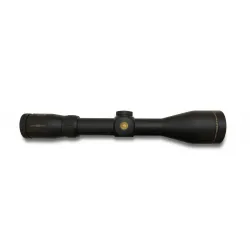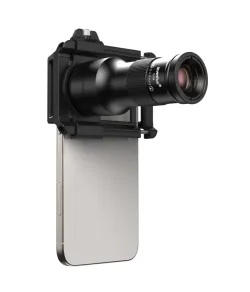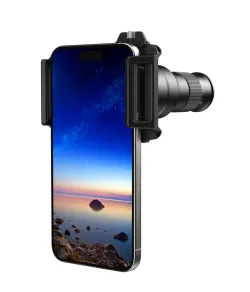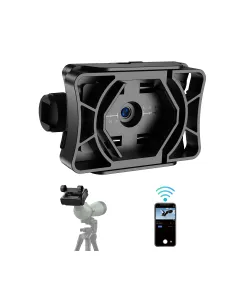
Binoculars | rangefinders | spotting scope etc.
High-quality observation optics allow you to explore distant targets in detail, observe wildlife, measure distances accurately, or study the night sky. SkyHunters offers a versatile range of optical instruments designed for various applications — from ultra-compact travel monoculars to high-magnification spotting scopes and precision laser rangefinders.
Primary Optics Categories
To choose the right device for your needs, it helps to understand the main categories of observation equipment:
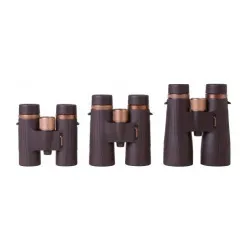
- Binoculars: Provide comfortable stereoscopic viewing using both eyes, reducing eye strain and delivering realistic depth perception. Ideal for wildlife observation, hunting, sports, and stargazing.
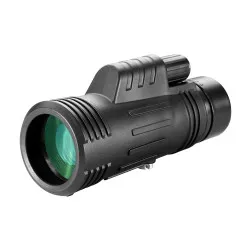
- Monoculars: Compact, single-eyepiece devices that are lightweight and easy to carry on hikes, travels, or casual daily outings.
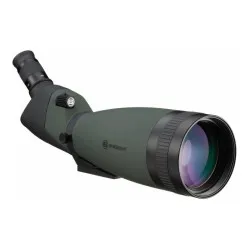
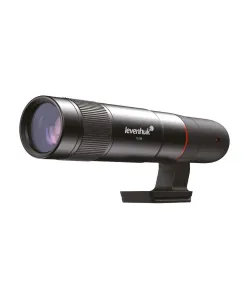
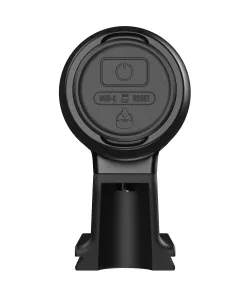
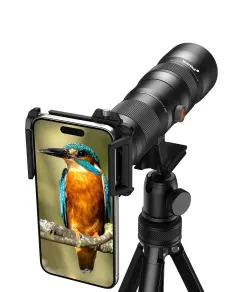
- Spotting Scopes: High-power optical devices designed for long-range stationary viewing. Excellent for birdwatching, target shooting, and marine observation.
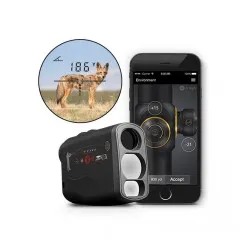
- Laser Rangefinders: Specialized measuring tools that determine exact distances to objects instantly. Essential for hunting, golf, forestry, and construction surveying.
How to Choose the Right Device
Selecting the optimal device depends on your intended activities and environmental conditions:
- For Hiking and Travel: Choose compact binoculars or monoculars with 8x or 10x magnification and an objective lens diameter up to 32 mm for lightweight portability.
- For Hunting and Low-Light Observation: Look for models with larger objective lenses (such as 8x42 or 7x50) and fully multi-coated optics to ensure maximum light transmission.
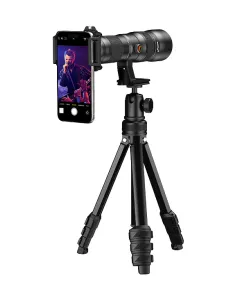
- For Long-Distance Stationary Viewing: High-magnification spotting scopes (20x to 60x) mounted on a tripod provide clear, steady images across vast distances.
- For Distance Measurement: Laser rangefinders equipped with angle compensation and target filtering functions.
Key Technical Specifications
When comparing optical instruments, consider these essential specifications:
Magnification & Objective Diameter: Designations like 10x42 indicate 10x magnification and a 42 mm front objective lens. A larger objective lens gathers more light, making images brighter in dim conditions, though it adds size and weight.
Optical System (Porro vs Roof Prisms):
- Porro Prisms: Offer high image depth and bright views at a cost-effective price point, though they result in a wider body design.
- Roof Prisms: Allow for a streamlined, slim, and compact housing that is easier to pack and carry in the field.
Lens Coatings: Fully multi-coated lenses (FMC) minimize light reflections, resulting in improved image contrast, clarity, and color fidelity.
Verified Optics Manufacturers
SkyHunters features products from trusted global optical brands, including Levenhuk, Celestron, Bresser, Konus, Discovery, and Delta Optical, catering to beginners and professional enthusiasts alike.
Frequently Asked Questions (FAQ)
Is higher magnification always better?
Not necessarily. Magnifications above 10x make hand tremor significantly more noticeable and narrow your field of view. For handheld observation, 8x or 10x magnification is usually ideal.
What is the difference between a monocular and a spotting scope?
A monocular is a small, handheld optic with moderate magnification (8x–12x). A spotting scope is a larger optic offering much higher power (up to 60x or more) and requires a tripod for stability.
Why is nitrogen purging important?
Nitrogen or argon purging prevents internal fogging of the optics when transitioning quickly between different temperatures or in humid conditions.
Get Expert Guidance
If you are unsure which optical instrument best suits your intended use, the SkyHunters team is available to help you compare technical specifications and select the right model.